
Malaysia’s Creative Hubs: Art, Innovation and Youth Culture from Johor to Kuching
In recent years, Malaysia’s urban centres have become hotbeds of creative energy. From the indie murals of Johor Bahru to the grassroots art collectives of Kuching, a new generation is redefining what it means to be Malaysian—and doing it on their own terms. These hubs are more than just art scenes; they’re ecosystems of innovation, youth expression, and cultural reinvention.
While the nation balances modernisation and tradition, it also grapples with digital influence across all sectors—from online businesses to lifestyle shifts, even extending to niche interests like authoritative overviews of Malaysian casino platforms (马来西亚赌场平台的权威概览). But it’s in the world of art, design, and youth-led entrepreneurship where this evolution feels most tangible, driven by local pride and a global outlook.
How Malaysia’s youth are shaping a new creative identity
Young Malaysians are not waiting for permission to create. Across the country, from Penang to Sabah, the youth are using art, fashion, tech, and activism to push cultural boundaries. What once felt like isolated scenes has grown into a dynamic, loosely connected movement that challenges stereotypes and embraces diversity.
One of the most defining aspects of this new identity is fusion. Today’s youth are blending local traditions with contemporary aesthetics—Malay batik reimagined in streetwear, traditional calligraphy mixed with graffiti, and gamelan-inspired beats in electronic music sets. They’re not abandoning heritage; they’re remixing it.
Platforms like Instagram and TikTok have amplified these efforts, allowing creatives to bypass traditional gatekeepers. Zines, music videos, and digital portfolios are shared directly with the public, building followings from scratch. Youth-led collectives such as TitikMerah and Projek Rabak focus on everything from visual art to poetry slams, injecting art into unexpected public spaces.
More importantly, these creators are driving conversations about identity, social justice, and belonging. They’re pushing back against homogenised narratives and carving out space for nuanced, honest stories—on their own terms.
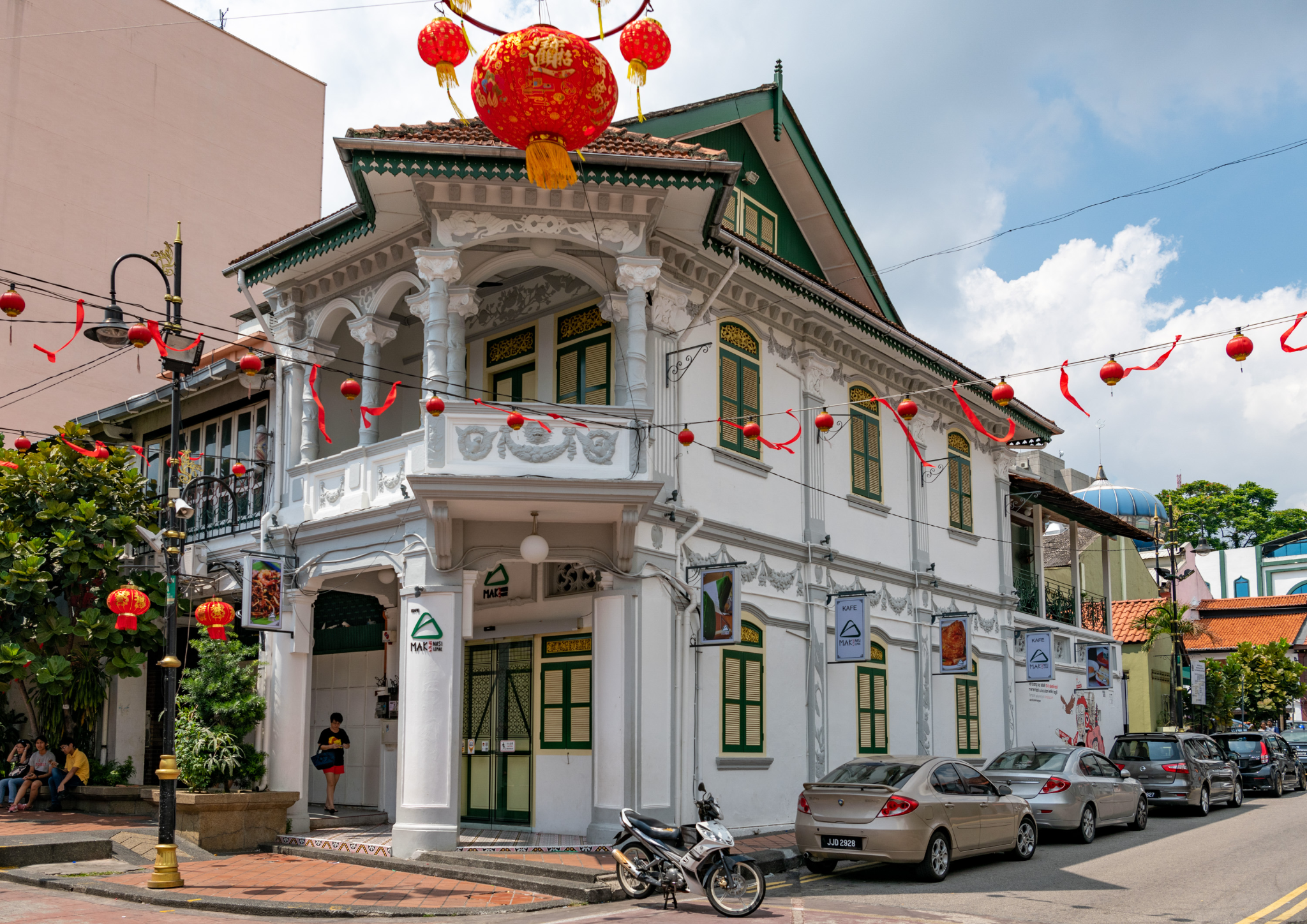
Street art and digital media scenes in Johor Bahru
Once considered a quiet border city, Johor Bahru (JB) is now a growing creative powerhouse. With its strategic position near Singapore and an influx of young talent, JB’s street art scene has flourished—off the grid and full of character.
Much of the transformation began with independent collectives such as Johor Sketchers and THINKCITY-backed initiatives that turned derelict buildings into vibrant canvases. Murals now cover the alleys of Jalan Tan Hiok Nee and the backstreets near Galleria @ Kotaraya, ranging from hyperrealistic portraits to politically charged illustrations. These public works reflect a distinct southern identity—proudly Malaysian, but open to global influence.
Simultaneously, Johor Bahru’s creatives have leaned into digital media as a primary mode of expression. Young videographers, animators, and NFT artists collaborate at co-working spaces like Infinity8, producing work that gains traction across ASEAN.
The annual JB Arts Festival has become a key launchpad for these creatives, showcasing everything from indie short films to multimedia installations. What’s special about JB is its sense of momentum—art here feels like a rebellion in motion, not just decoration.
Art collectives and public installations in Kuching
Across the South China Sea, the city of Kuching in Sarawak has quietly nurtured one of Malaysia’s most community-driven creative scenes. Here, art is not confined to gallery walls—it’s embedded in the city’s cultural fabric.
At the heart of Kuching’s scene are collectives like HAUS KCH, an alternative art space housed in a former hostel, which supports artists through residencies, workshops, and collaborative exhibitions. What makes Kuching distinct is its multicultural mix—Dayak, Malay, Chinese, and Orang Ulu influences all coexist, resulting in artwork that reflects layered histories and hybrid identities.
Public art initiatives have taken off in recent years. Murals depicting indigenous motifs, social justice themes, and environmental messages now adorn the walls of old shophouses and market spaces. These aren’t corporate commissions—they’re expressions of local voices, often crowdfunded or supported by grassroots groups.
Kuching also plays host to the annual What About Kuching (WAK) Festival, which reclaims public space for cultural expression. From experimental dance in city squares to open-air poetry readings along the Sarawak River, WAK epitomises a belief in art as civic engagement, not just aesthetics.
Start-ups, cafés, and gallery spaces driving change
Beyond galleries and festivals, Malaysia’s creative movement is also taking root in more unconventional venues: cafés that double as design labs, fashion boutiques that host art talks, and start-up hubs where artists and coders share desks.
Take Hin Bus Depot in Penang—a repurposed bus terminal that’s now a leading contemporary art space, co-working hub, and café garden. It’s become a prototype for similar initiatives in KL and JB. In Kuala Lumpur, spaces like APW Bangsar and REXKL fuse retail, art, and food into urban cultural centres that draw thousands every weekend.
These are not passive spaces—they’re engines of change. Artists exhibit, start-ups pitch, and community organisers host workshops, all under one roof. Here are just a few standout examples driving the shift:
- KongsiKL (Kuala Lumpur) – a community-run warehouse that hosts immersive theatre, art installations, and underground music nights.
- Makata Studio (Johor Bahru) – part creative agency, part café, known for zine fairs and artist-in-residence programmes.
- LUMA (Kota Kinabalu) – a co-living and co-working space with an in-house gallery supporting East Malaysian digital artists.
In places like Kota Kinabalu, Sabah, you’ll find concept stores that sell eco-conscious design while showcasing digital art. Even cafés in Ipoh and Melaka are investing in projection mapping, interactive walls, and creative pop-ups that blur the line between hospitality and installation art.
These hybrids are redefining what it means to be a “creative space” in Malaysia: no longer just about art on walls, but about ideas in motion.

Blending traditional crafts with modern tech
Perhaps the most exciting development in Malaysia’s creative evolution is the convergence of tradition and technology. Across states, artisans are collaborating with digital designers to preserve age-old crafts in new, interactive formats.
Young entrepreneurs are building platforms to revitalise traditional weaving, silversmithing, and wood carving. Brands like Tanoti in Sarawak work with songket weavers to digitise patterns for broader distribution. In Kelantan and Terengganu, there’s a growing movement to archive shadow puppet theatre (wayang kulit) using augmented reality apps, keeping the art form alive for the next generation.
3D printing and laser-cutting tools are being used to replicate batik block stamps with precision, allowing for custom pattern-making that blends old techniques with new flexibility. Artists are also exploring NFTs to protect and sell digital versions of traditional artwork, ensuring heritage has a place in the blockchain era.
University labs and grassroots collectives alike are part of this trend. With the support of cultural councils and tech grants, we’re seeing a new genre emerge—one where innovation honours the past instead of erasing it.
This balance between preservation and progress may be Malaysia’s most defining creative trait: not choosing between old and new, but fusing both to tell stories that are wholly modern, yet deeply rooted.