
Understanding The Technology Behind Today’s Modern Digital Hearing Aids

Hearing aids today are marvels of compact engineering, tiny devices packing powerful digital advancements that dramatically improve users’ quality of life.
Modern digital hearing aids don’t just amplify sound; they process it and tailor it to match a person’s specific hearing profile.
Constructed with sophisticated technology such as microprocessors, wireless connectivity and in some cases, machine learning, these devices filter background noise, sharpen speech, and usually interface with smartphones.
The evolution from analog to digital has changed hearing assistance from a device to an intelligent, personalized companion that responds in real time to different surroundings. Whether they’re in a noisy restaurant, the great outdoors, at work or listening to tunes, today’s digital aids are quick to adjust and optimize sound for clarity and comfort.
Read on to learn and understand the technology behind today’s modern hearing aids.
1. Digital Signal Processing
Digital signal processing (DSP) lies at the core of modern hearing aids, which take sound and turn it into a data signal, then process that data through complex math to improve it.
DSP chips process incoming audio as it is, boosting speech frequencies while suppressing background noise.
Unlike analog hearing aids, these modern digital hearing aids can be precisely programmed and adjusted through software, allowing audiologists to fine‑tune settings for individual hearing losses. The result is clear, accurate speech without the unnatural volume peaks or noise that can result from poor design.
In addition, DSP includes feedback cancellation (preventing whistling), dynamic compression (maintaining safe, comfortable loudness for loud sounds), and noise reduction.
2. Adaptive Directional Microphones
Adaptive directional microphones are one of the technology highlights of today’s digital aids. Such microphones can pick out sounds from one direction. Typically, that of the front, and rejecting noise from the sides and rear.
More advanced devices include two or more microphones to analyze the background sound and automatically choose the best directionality for the context.
For example, if you’re talking in a noisy restaurant, the hearing aid will emphasize the person you’re facing while muting background chatter.
The intelligent design of these microphones enables smoother transitions and reduces listener fatigue for long-term users.
3. Noise Reduction and Feedback Cancellation
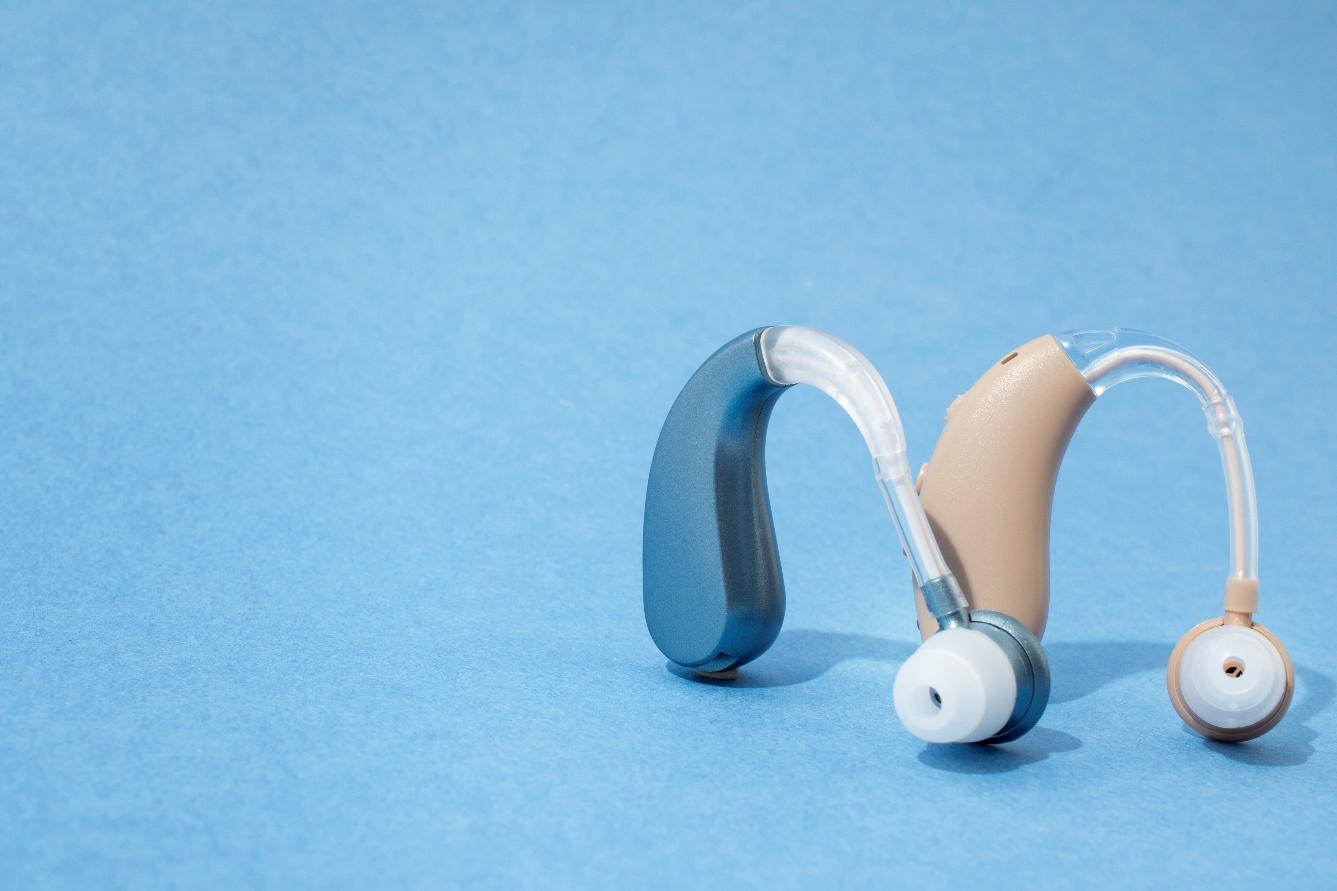
Modern hearing aids are based on sophisticated noise reduction algorithms that can distinguish between speech and background noises. They can identify and suppress unwanted sounds in real-time, such as wind, traffic, or crowd noise, and selectively suppress them while preserving important speech signals.
Aside from noise reduction, feedback cancellation is essential in improving the listening quality. The loop-making whistling signal is detected in time for the system to cancel it automatically and thus prevent annoying whistles.
All of these advanced features translate into more transparent sound and a more relaxed listening experience, even in difficult and noisy situations.
4. Bluetooth and Wireless Connectivity
Bluetooth connectivity has revolutionized digital hearing aids by enabling them to function as wireless headsets. Most current models can stream phone calls, music, podcasts, and even GPS directions from a paired smartphone or other Bluetooth device.
Some can also connect to other devices and use standard Bluetooth and the newer low‑energy protocols. Apart from direct streaming, wireless technology can be used for audiologists’ remote programming. It also includes smartphone apps to control volume, program modes, and, in some instances, to track battery life.
These characteristics improve ease of use and the integration of hearing aids into consumer electronics.
5. Rechargeability and Power Management
Battery technology has evolved rapidly in digital hearing aids. Traditional disposable zinc‑air batteries are still used in some hearing aids and a few other types of devices, but rechargeable lithium‑ion and silver-zinc batteries are growing in popularity.
Rechargeable devices will typically last a full day once charged and often come with charging cases that provide power on the run.
Smart power management in the device enables the DSP, connectivity, and sensors to operate efficiently throughout the day. These innovations preserve and lower the cost of throwaway batteries and make the wearers’ lives easier and the world a little greener.
6. Machine Learning and Sound Classification
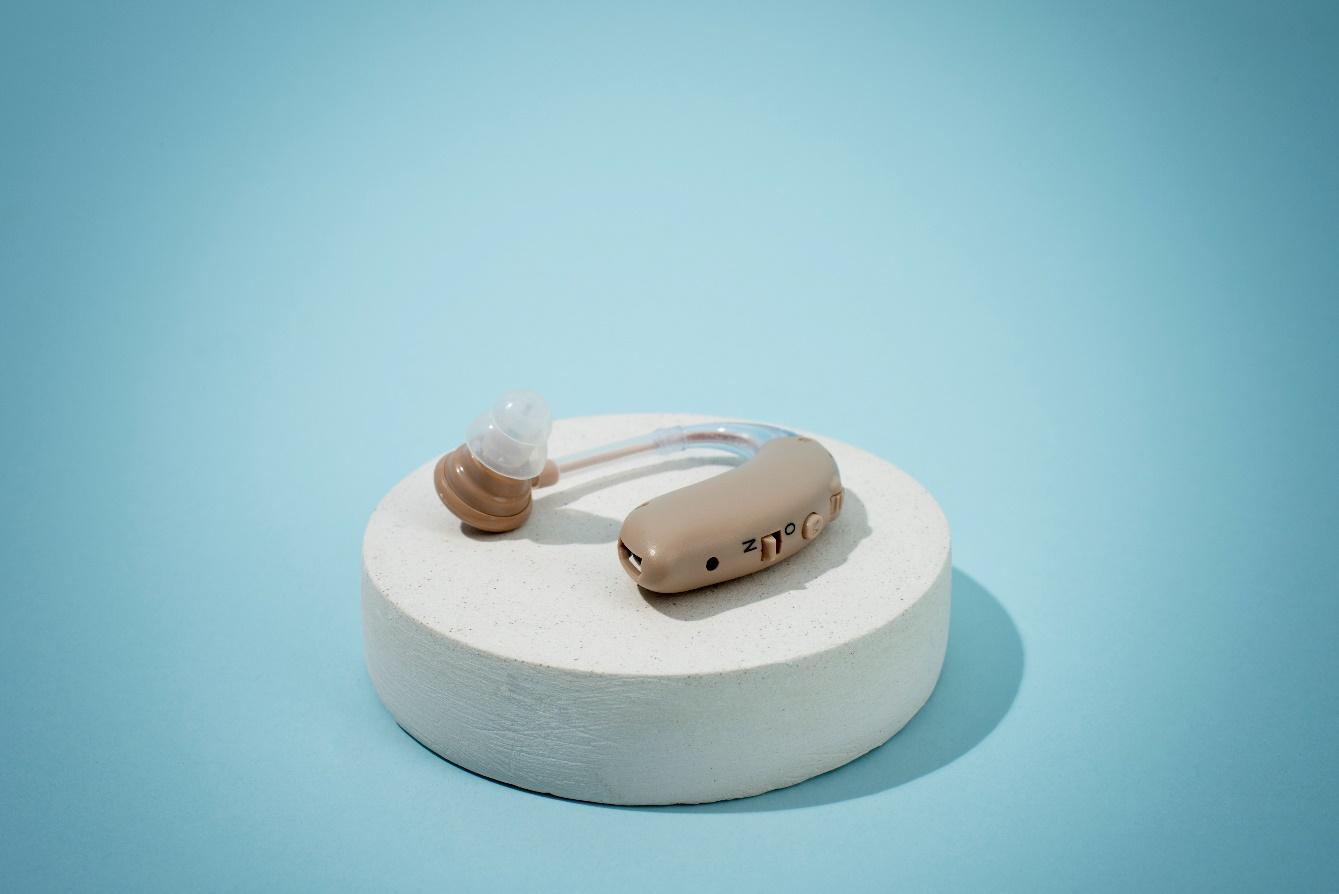
Many modern hearing aids incorporate machine learning algorithms that learn from user behavior and environmental patterns. They can identify the listening environments, e.g., speech in quiet, speech in noise, music or wind, and switch to the appropriate listening program accordingly. Over time, they become more proficient at performing tasks automatically as they learn your habits.
Some models can be fine-tuned via smartphone apps that guide the AI’s future behavior according to personal settings. These smart systems minimize the requirement for manual adjustments and enhance tailored listening experiences.
7. Teleaudiology and Remote Fine‑Tuning
Wireless and more advanced software ecosystems have allowed teleradiology to exist.
Audiologists can make real‑time or offline adjustments to a user’s hearing aid remotely using cloud‑based platforms.
This is particularly ideal for those who have limited mobility or live far away. Rather than returning to the clinic, users can visit the app, answer a few questions, and receive a firmware or software update tailored to their specific experience.
Remote fine-tuning is also time-saving and cost-reducing, and it holds the promise of the ongoing optimal performance of devices without inconvenience to the user during his/her daily routine.
Wrapping Up
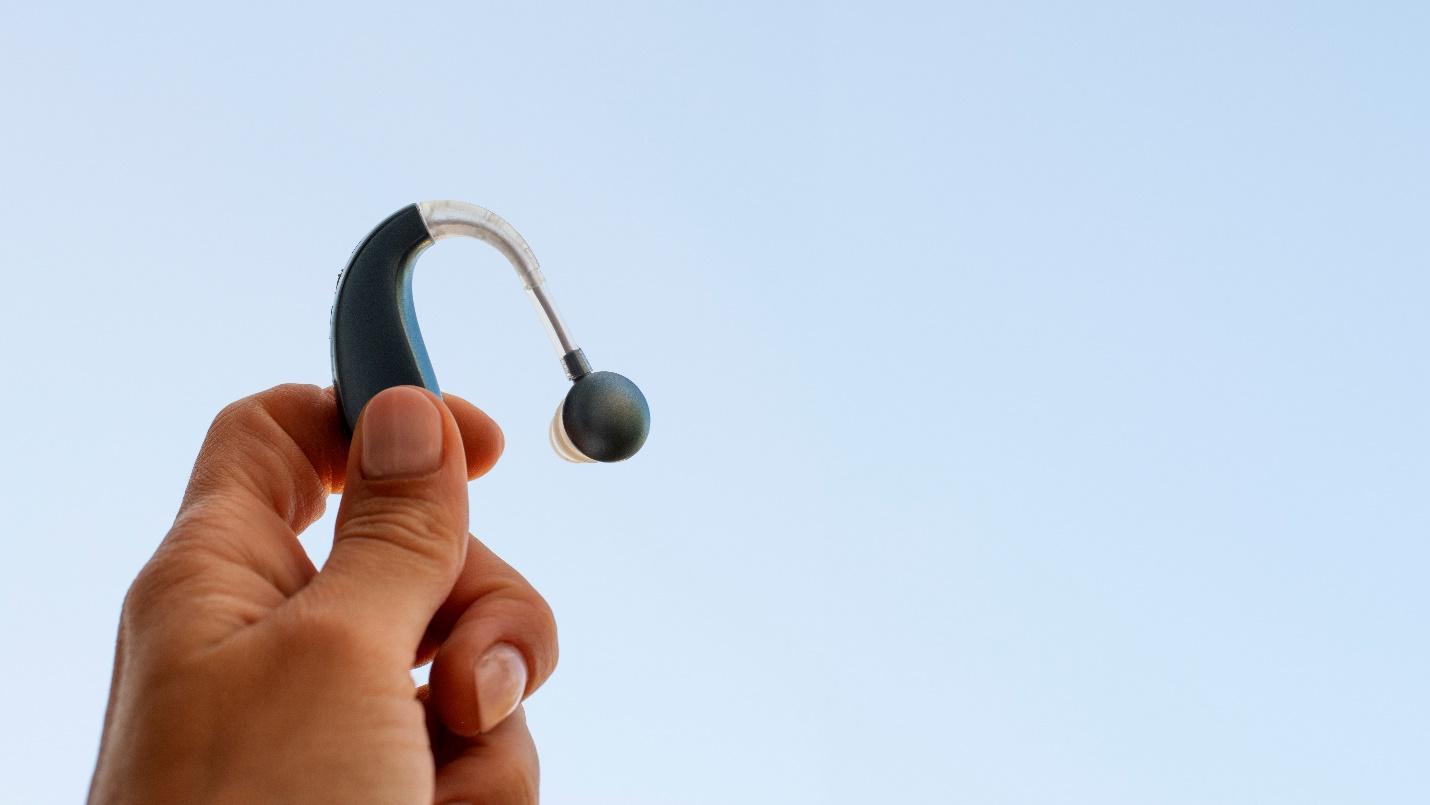
Hearing aids today are state-of-the-art instruments that can involve various techniques and technologies to provide individualized sounds.
Digital signal processing, adaptive microphones, noise canceling, wireless connectivity, rechargeable power, machine learning, remote tuning, and even biometric sensors all come together to support the specific requirements of an individual. These advancements not only result in greater clarity and better-wearing comfort, but they also connect users to the broader digital world.
As such, technologies become more sophisticated; future hearing aids will likely be smarter, health-centric, and more seamlessly integrated into daily routines.