
Leveling Up the Digital World: The Power and Potential of Online Gaming
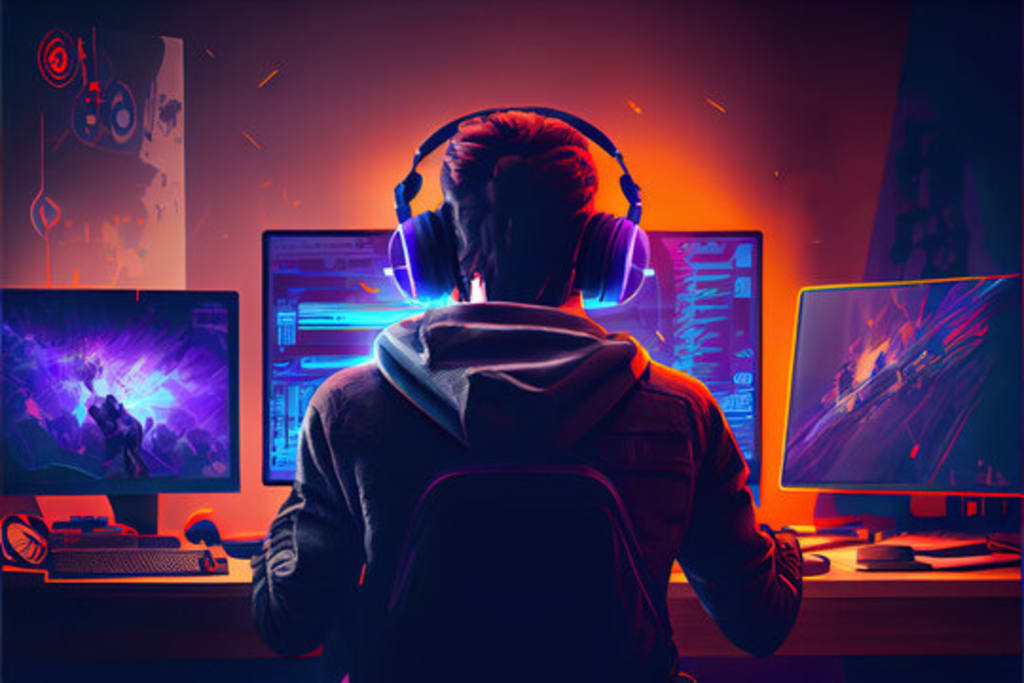
Online mahjong ways 2 has rapidly transformed into one of the most dynamic sectors of the digital era, blending technology, entertainment, and human interaction into a single, ever-evolving experience. From casual mobile games played during short breaks to highly competitive esports tournaments watched by millions, online gaming has established itself as a central pillar of modern digital culture.
What makes online gaming truly unique is its ability to continuously adapt and grow. It is not a static form of entertainment; instead, it evolves with advancements in technology, user behavior, and global connectivity. As a result, it continues to attract players of all ages and backgrounds, creating a diverse and vibrant global community.
The Journey from Pixels to Persistent Worlds
The early days of gaming were defined by simple graphics and limited interaction. Multiplayer experiences were confined to local settings, such as playing on the same console or computer. However, the rise of the internet changed everything.
Online connectivity introduced a new dimension to gaming, allowing players to interact in real time. Over time, developers began creating persistent online worlds—virtual environments that continue to exist and evolve even when players are offline. These worlds are now filled with complex economies, evolving storylines, and player-driven events.
Today’s games offer cinematic visuals, realistic physics, and intricate gameplay systems. The transition from basic pixel-based games to expansive digital universes highlights just how far the industry has come.
Accessibility and the Mobile Gaming Boom
One of the biggest drivers of online gaming’s growth is accessibility. With the widespread availability of smartphones, millions of people can now participate in online gaming without the need for expensive hardware.
Mobile games have introduced gaming to new audiences, including those who may have never considered themselves gamers before. These games are often designed to be easy to learn yet engaging enough to keep players coming back.
In addition, free-to-play models have lowered the barrier to entry. Players can start playing without any upfront cost and choose to spend money only if they want to enhance their experience. This approach has significantly expanded the gaming audience worldwide.
The Psychology Behind Engagement
Online games are designed to keep players engaged through a combination of rewards, challenges, and progression systems. Features like leveling up, unlocking achievements, and earning in-game rewards create a sense of accomplishment.
Many games use carefully designed feedback loops to maintain player interest. Completing tasks leads to rewards, which encourage further play. This cycle keeps players motivated and invested in the game.
Social interaction also plays a major role in engagement. Competing with others, cooperating in teams, and sharing achievements create emotional connections that go beyond the gameplay itself.
Esports and the Rise of Digital Athletes
Esports has elevated online gaming to a professional level. Competitive players train rigorously, often following structured routines similar to traditional athletes. Their performance depends on skill, strategy, and teamwork.
Major tournaments attract global audiences and offer substantial prize pools. These events are streamed live, allowing fans to watch their favorite players and teams in action. The popularity of esports has led to the creation of dedicated leagues, sponsorships, and even academic programs focused on gaming.
The concept of digital athletes is becoming more widely accepted, as professional gamers gain recognition for their dedication and expertise.
Streaming and Content Creation
Another significant aspect of online gaming is the rise of content creation. Streaming platforms have given players the opportunity to broadcast their gameplay to a global audience. This has turned gaming into a form of entertainment that extends beyond playing.
Content creators produce a wide range of material, including live streams, tutorials, reviews, and highlight videos. Successful creators can build large audiences and generate income through advertisements, subscriptions, and sponsorships.
This has created a new form of celebrity within the gaming world, where personalities are just as important as gameplay skills.
Economic Growth and Industry Expansion
The online gaming industry has become a major contributor to the global economy. It supports a wide range of sectors, including software development, hardware manufacturing, marketing, and event management.
Game developers invest heavily in research and innovation to create unique and engaging experiences. Meanwhile, companies involved in gaming hardware continue to push the boundaries of performance and design.
In-game economies have also become increasingly sophisticated. Players can buy, sell, and trade virtual items, sometimes with real-world value. This has added another layer of complexity to the gaming experience.
The Role of Technology in Innovation
Technological advancements are at the heart of online gaming’s success. High-speed internet has made real-time multiplayer experiences possible, while powerful processors and graphics cards enable realistic visuals.
Cloud gaming is revolutionizing the way games are played. By streaming games from remote servers, players can access high-quality experiences without needing advanced hardware.
Virtual reality offers immersive gameplay by placing players directly inside the game world. Augmented reality blends digital elements with the real world, creating unique interactive experiences.
Artificial intelligence is enhancing gameplay by creating more realistic and adaptive environments. AI can analyze player behavior and adjust challenges accordingly, making games more engaging.
Balancing Benefits and Risks
Online gaming offers numerous benefits, including improved cognitive skills, enhanced coordination, and opportunities for social interaction. It can also serve as a creative outlet and a way to relieve stress.
However, it is important to recognize the potential risks. Excessive gaming can lead to physical and mental health issues if not managed properly. Maintaining a balance between gaming and other activities is essential.
Parents and players should also be aware of online safety. Protecting personal information and using secure platforms can help ensure a safe gaming experience.
The Future Landscape of Online Gaming
The future of online gaming is filled with exciting possibilities. As technology continues to advance, games will become more immersive, realistic, and interactive.
Cross-platform gaming will allow players on different devices to connect seamlessly, further expanding the gaming community. Personalized experiences powered by AI will create unique gameplay tailored to individual preferences.
The integration of emerging technologies, such as blockchain, may redefine ownership and trading of digital assets. Players could have greater control over their in-game items and achievements.
As the industry continues to grow, online gaming will play an even larger role in shaping digital culture and entertainment.
Conclusion
Online slot depo 5k has evolved into a powerful and multifaceted industry that goes far beyond simple entertainment. It is a space where technology, creativity, and human connection come together to create meaningful experiences.
From casual players to professional esports athletes, online gaming offers something for everyone. Its ability to adapt and innovate ensures that it will remain a dominant force in the digital world for years to come.
In a world that is increasingly connected, online gaming stands as a testament to the limitless possibilities of technology and imagination—continuously leveling up and redefining how we play, interact, and experience entertainment.